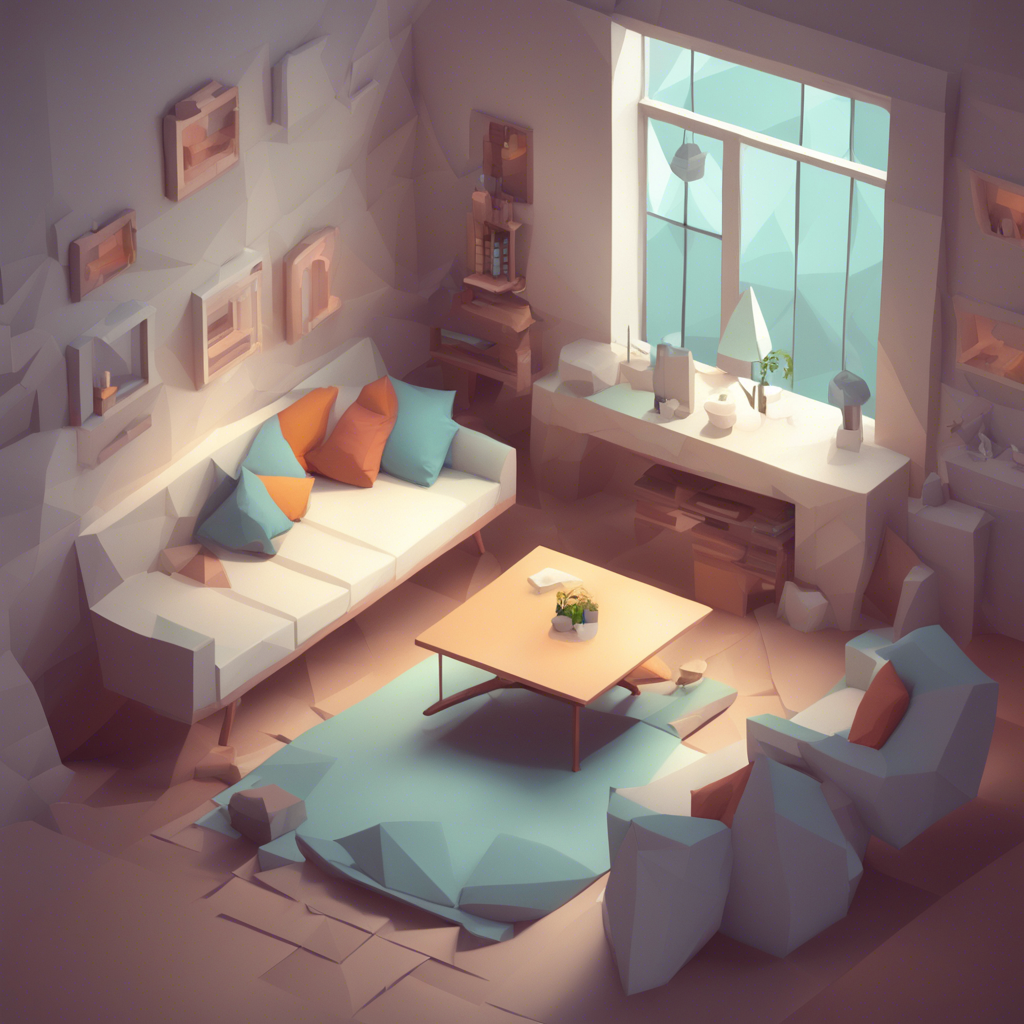
Creating a Mindful Living Space
In today’s fast-paced world, creating a living environment that promotes calmness and mindfulness is more important than ever. The home should be a sanctuary, a place where you can retreat and nourish your mind and spirit. With thoughtful design and intentional choices, you can craft a space that supports your mental well-being and enhances your day-to-day life.
It’s not just about aesthetics; it’s about crafting an atmosphere that feels harmonious and inspirational. Every element in your living space, from the colors on the walls to the scent in the air, can profoundly influence how you feel and interact with the world around you.
“The key to mindfulness in your living space lies in intentional simplicity, where every item serves a purpose or inspires tranquility.”
Here are some guiding principles to assist you in transforming your home into a haven of peace:
- Embrace minimalism and keep only items that bring you joy or serve a specific purpose.
- Opt for color schemes that evoke tranquility, such as muted blues or earth tones.
- Designate an area exclusively for relaxation or meditation, allowing you to detach from everyday stresses.
- Incorporate nature into your space with plants, as they can improve air quality and provide soothing greenery.
- Make use of scents; consider essential oils or natural candles to enhance the atmosphere.
The Art of Decluttering: Less Is More
When it comes to living spaces, clutter can quickly become overwhelming and distracting. Embracing minimalism by removing unnecessary items can help cultivate a serene atmosphere that calms the mind and promotes mindfulness. Begin your journey by focusing on one room at a time, ensuring you don’t feel overwhelmed by the process.
Consider adopting the popular Marie Kondo method, where you keep only those items that truly spark joy. This approach not only assists in keeping your surroundings tidy but also encourages a shift in mindset towards valuing quality over quantity. As you sort through your belongings, ask yourself if each item truly serves a purpose or brings you happiness.
Clear surfaces, such as tabletops and countertops, can significantly enhance the feeling of openness in a room. Adding clever storage solutions also helps keep clutter at bay, making it easier to maintain a clean and organized home.
Remember, the goal is not to create an empty space but to allow room for calmness and creativity to flourish. As you curate your belongings intentionally, you’ll notice a decrease in stress and an increase in emotional well-being, as a clutter-free environment naturally fosters a sense of peace and balance.
Choosing Calming Colors for Your Space
Color has a profound influence on mood and emotions. When selecting colors for your living space, it’s essential to focus on those that cultivate serenity and peace. Think about incorporating hues drawn from nature—imagine the soft blues of a clear sky, the soothing greens reminiscent of a tranquil forest, or the gentle golds of a sandy beach. These colors not only bring the outside in but also connect your space to a sense of natural calm.
While whites and creams offer a sense of purity and openness, adding subtle color accents can break the monotony, infusing a room with warmth and character. Consider using pastel throw pillows or delicate artwork as pops of color that don’t overpower the room but rather enhance its tranquility. Similarly, keep textures in mind; natural fabrics like linen and cotton can soften the space, creating a tactile comfort that resonates with peace.
Remember, color psychology plays a crucial role too. Lighting in the room can shift how colors are perceived. Therefore, it’s beneficial to test paint swatches at different times of day to see how they interact with the sunlight or artificial light. This experimentation ensures that the space remains inviting throughout your daily activities.
Ultimately, the chosen palette should reflect your personal sense of calm. If certain colors evoke more stress than serenity, trust your instincts and lean toward shades that resonate positively with you. Combining mindful choices with a touch of creativity can transform any room into a sanctuary of calm and introspection.
Creating a Zen Corner for Meditation
Creating a small sanctuary within your home can significantly enhance your mindfulness practices. Begin by selecting a serene corner of a room, free from distractions, ideally one that receives natural light. This designated space will serve as a retreat away from daily chaos.
Start with the basics: a comfortable meditation cushion or a zafu on a zabuton. These elements are not just practical but also visually symbolize the purpose of this area. The simple act of placing a cushion can make the space inviting, a gentle reminder for you to practice mindfulness regularly.
Incorporate elements of nature to enrich your zen corner. Indoor plants or a small water feature can introduce a sense of tranquility and connection to the natural world. Greenery not only cleans the air but also creates a fresh and calming atmosphere.
To personalize the space, consider adding items that hold positive energy or spiritual significance for you. A small altar with meaningful objects like crystals, a journal, or a mindful reading can enhance your practice. Remember, this is your nurturing space, make it reflect your journey.
Lighting plays a crucial role in setting the mood. Soft, warm lighting from a candle or a salt lamp can create a soothing environment. The gentle flicker of a candle promotes a sense of peace and introspection.
Finally, integrate calming sounds into your zen corner. A small fountain or soft background music can drown out distracting noises and help deepen your meditation. The idea is to engage your senses without overwhelming them, facilitating a state of calm awareness.
Aromatherapy and Scented Spaces
Integrating aromatherapy into your living space can work wonders for enhancing mindfulness and tranquility. Scents have a profound effect on our emotional state, helping to relax the mind and body. Whether you prefer the flickering glow of candles or the soft mist from diffusers, selecting a signature scent for your home can have a calming influence. Popular choices like lavender, with its soothing properties, or the refreshing notes of lemongrass and lemon, can transform your environment into a sanctuary of peace.
Consider each room’s purpose and ambiance when choosing scents. For spaces dedicated to meditation or relaxation, opt for lavender or chamomile to promote calmness. Citrus scents, such as bergamot or orange, add a refreshing and revitalizing touch to common areas like the kitchen or living room. They invigorate the senses, fostering a sense of energy and well-being.
For a more subtle effect, strategically place essential oil diffusers in key areas of your home. They offer a constant, gentle release of fragrance, sustaining a serene atmosphere. Alternatively, incense sticks imbue spaces with warmth and inspiration, perfect for creating an uplifting mood while reading or journaling.
Maximize the impact of aromatherapy by layering scents with complementary elements such as soft lighting or cozy fabrics. Incorporating oversized cushions and soft rugs can enhance the overall sensory experience, promoting a mindful and serene environment.
Conclusion
Incorporating these elements into your living space is not just about aesthetics; it’s about creating a sanctuary that fosters tranquility and mindfulness. Remember, profound transformation doesn’t require a complete overhaul of your lifestyle. By dedicating as little as seven minutes a day to maintaining a clutter-free zone, embracing calming colors, meditating in your Zen corner, or enjoying soothing scents, you can significantly enhance your mental clarity and overall well-being. These small, consistent efforts accumulate to cultivate a life filled with peace and joy. Start today, and witness how a mindful environment can pave the way to a more balanced, serene life.